
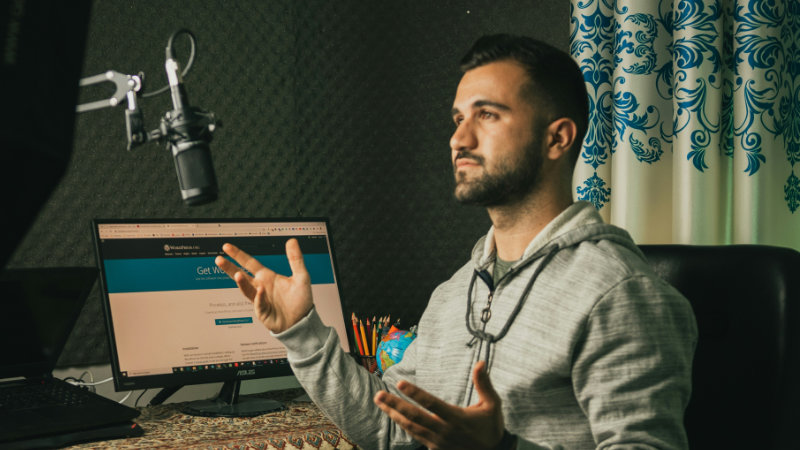
Lights, Camera… Panic?
Speaking on camera can feel intimidating for even the most seasoned professionals. But here’s the good news—you can learn how to communicate on camera with confidence. Whether you're presenting on Zoom, hosting a YouTube channel, or delivering a webinar, commanding the lens with composure is a skill anyone can master.
This guide will walk you through eight practical steps—from preparation to practice—so you can sound and look your best on camera.
Why Confident On-Camera Delivery Matters
When you speak confidently on camera, you’re showing authority, credibility, and approachability all at once. It’s not just about looking sharp—it’s about building trust with your audience.
Think about influencers, TV hosts, or business leaders you admire. What makes them stand out? It’s their presence, the way they sound genuine and self-assured. If they can do it, so can you.
Whether it’s for work or personal branding, owning the art of on-camera speaking can unlock opportunities you didn’t think possible.
Step 1: Prepare Like a Pro
Confidence starts with preparation. Here's how to set yourself up for success before hitting the record button.
Research Your Topic
The better you know your subject, the more comfortable you’ll feel speaking about it. Do thorough research, jot down key points, and anticipate possible questions. Knowledge truly is power when handling the spotlight.
Build a Script (But Don’t Memorize It)
Create an outline or rough script to keep you on track. However, avoid memorizing word for word—it’ll feel unnatural on camera. Instead, get familiar with the flow of your ideas, so you can speak conversationally.
Rehearse (Out Loud!)
Practice not just in your head but out loud. Grab a mirror, your smartphone, or even a friend to rehearse. Note any tricky phrases and simplify them.
Pro tip: Time yourself! Ensure you’re concise and not rambling.
Step 2: Nail Your Technical Setup
Good delivery starts with looking and sounding professional. Here's how to optimize your setup.
Camera Angles
Position the camera at eye level to avoid awkward angles—no one wants to stare up your nose! Maintain a comfortable distance, ensuring your head and shoulders fit neatly in the frame.
Lighting
Natural light is your best friend, but if that’s not an option, use a ring light or desk lamp. Soft, even lighting will make your face appear bright and clear, avoiding harsh shadows.
Sound Quality
Clear audio is more important than a fancy camera. Use an external microphone if possible. Even a basic clip-on mic can dramatically improve sound clarity and professionalism.
Step 3: Master Your Body Language
The way you move on camera says just as much as your words. Good posture and gestures help you communicate with confidence.
Posture
Sit or stand tall with your shoulders back—it projects confidence and helps your voice carry. Avoid slouching, as it can make you appear uninterested or nervous.
Eye Contact
Look directly at the camera lens, not your screen, to mimic eye contact. You want your audience to feel like you're speaking to them, not reading off a teleprompter.
Gestures
Use natural hand movements to emphasize points but avoid overdoing it. Keep your gestures relaxed and purposeful.
Step 4: Perfect Your Vocal Delivery
Your voice can captivate or lose your audience—so pay attention to how you speak.
Vary Your Pace
Don’t rush! Speak at a moderate pace, but feel free to slow down for essential points.
Add Energy to Your Tone
Imagine you're talking to your most enthusiastic friend. Smile—it naturally lifts your tone and makes you sound warmer.
Enunciate Clearly
Mumble when nervous? Focus on exaggerating your enunciation slightly. It’ll feel odd at first but sound perfect to your audience.
Pro tip: Use pauses to create impact. They give your audience a moment to process and make you sound intentional.
Step 5: Tame the Nerves
Nerves are normal, even for the pros. But they don’t have to control you.
Breathing Exercises
Before filming, try deep breathing exercises. Breathe in for four counts, hold for four, and exhale for four. It calms your mind and steadies your heart rate.
Mindfulness Techniques
Visualize yourself delivering perfectly. Positive visualization works wonders for calming pre-recording jitters.
Channel Excitement
Instead of fearing your nerves, think of it as excitement! Channel that energy into an enthusiastic performance.
Step 6: Practice Over and Over
Practice isn’t just about repetition—it’s about learning from each take.
Record Mock Videos
Film yourself doing a trial run. Watch the playback and take notes. Does your tone convey emotion? Are you making enough eye contact?
Get Feedback
Ask a friend or colleague to critique your video. Honest feedback helps identify blind spots.
Gradual Challenges
Start small—practice with short clips or low-pressure settings. Gradually work up to longer or live recordings as your confidence grows.
Recap and Take the Next Step
Speaking confidently on camera is a skill you can develop with preparation, practice, and patience. Here’s a quick recap of the key steps we covered to boost your confidence on camera:
Prepare by researching, scripting, and rehearsing.
Optimize your technical setup for great visuals and audio.
Use strong posture, eye contact, and natural gestures for engaging body language.
Focus on vocal delivery—pace, tone, and enunciation matter.
Use breathing and mindfulness techniques to calm your nerves.
Practice, review, and refine until you're comfortable on camera.
Remember, the camera isn’t your enemy—it’s your stage to shine. Every video you record helps you improve and get closer to mastering your on-camera presence. With these steps, you’ll be speaking confidently in no time!